
Blog for Zipline Attraction in the Smoky Mountains
Located in Pigeon Forge, TN and near Gatlinburg and Sevierville.
Wildlife Watching in the Smoky Mountains: What to See and When
By Ross Bodhi Ogle
Posted on June 3, 2025
The Great Smoky Mountains are a haven for nature lovers, and one of the biggest draws for visitors is the chance to see wildlife in their natural habitat. From majestic black bears to graceful deer, the Smokies are teeming with fascinating animals year-round. If you're planning a trip and hoping to catch a glimpse of the local wildlife, timing and location are everything.
What Wildlife Can You See?
1. Black Bears
Arguably the most iconic residents of the Smokies, black bears are most active from spring through fall. Look for them early in the morning or around dusk, especially in places like Cades Cove or Roaring Fork Motor Nature Trail.
2. White-Tailed Deer
Common throughout the park, deer are often spotted in open fields during the early morning and late afternoon hours. Cades Cove is one of the best places to observe them.
3. Elk
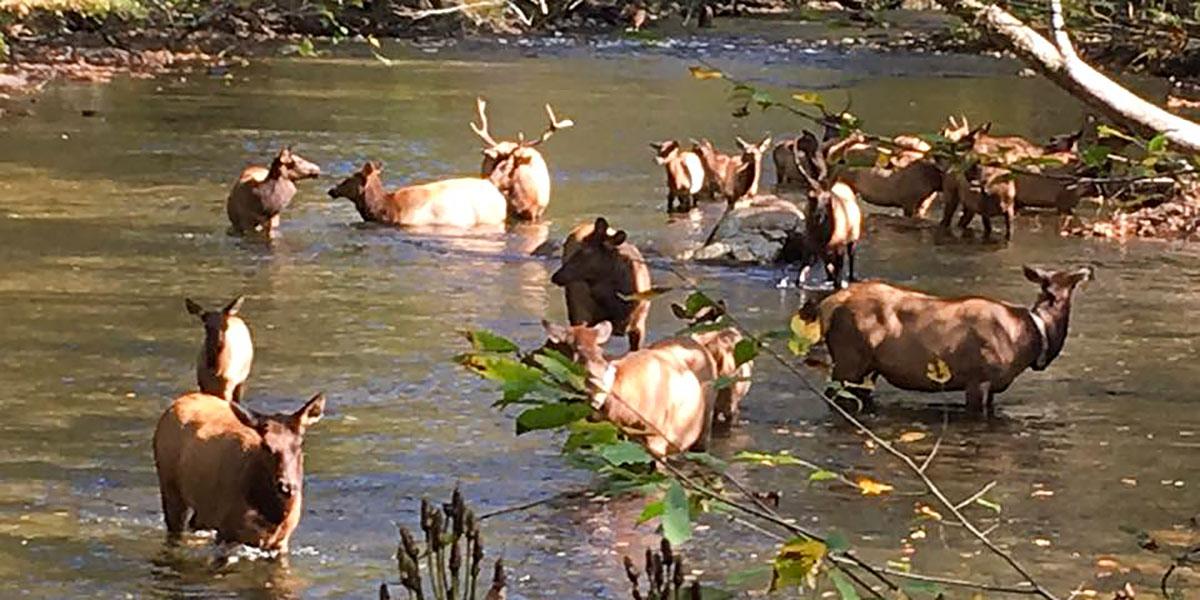
Elk were reintroduced to the park in 2001 and have thrived in the Cataloochee Valley. Fall is the best time to see them, particularly during the rut (mating season), when bulls are more vocal and visible.
4. Wild Turkey
These large, ground-dwelling birds are frequently seen along the edges of forests and meadows. They're most active in spring and early summer.
5. Salamanders and Other Amphibians
Known as the “Salamander Capital of the World,” the Smokies boast over 30 species. Spring and summer rains bring them out, especially in moist forest areas and near creeks.
Best Times to Go Wildlife Watching
- Spring (March–May): Animals become more active after winter. Birds return, salamanders emerge, and black bears come out of hibernation.
- Summer (June–August): Early mornings and evenings are best for sightings as many animals avoid the midday heat.
- Fall (September–November): A fantastic time to view elk during the rut and bears foraging before winter.
- Winter (December–February): Some species hibernate, but deer, turkey, and birds can still be spotted.
Wildlife Watching Tips
- Bring binoculars for a better view while maintaining a safe distance.
- Stay quiet and patient. Loud noises scare animals away.
- Don't feed the wildlife. It's harmful and illegal in the national park.
- Visit early or late in the day when animals are more active.
Combine Wildlife Watching with Adventure
After an early morning of wildlife viewing, keep the outdoor excitement going at Smoky Mountain Ziplines in Pigeon Forge! Soar through the treetops and experience the Smokies from a thrilling new perspective. It's the perfect way to complete your adventure-filled day in nature.