
Great Smoky Mountains National Park Guide
Great Smoky Mountains National Park is one of the most visited national parks in the United States because it offers a rare combination of mountain beauty, accessibility, family-friendly outdoor experiences, and year-round scenery. Visitors come to the Smokies for scenic drives, waterfalls, wildlife viewing, hiking trails, historic sites, mountain overlooks, and peaceful outdoor moments that feel both relaxing and memorable.
Stretching across Tennessee and North Carolina, the national park sits within easy driving distance of Gatlinburg, Pigeon Forge, Sevierville, Townsend, and Cherokee. This convenience allows visitors to combine outdoor exploration with restaurants, attractions, shopping, cabin stays, and family activities throughout the surrounding Smoky Mountain communities.
Whether you are visiting for the first time or returning for another mountain vacation, this guide will help you plan a better experience inside Great Smoky Mountains National Park.
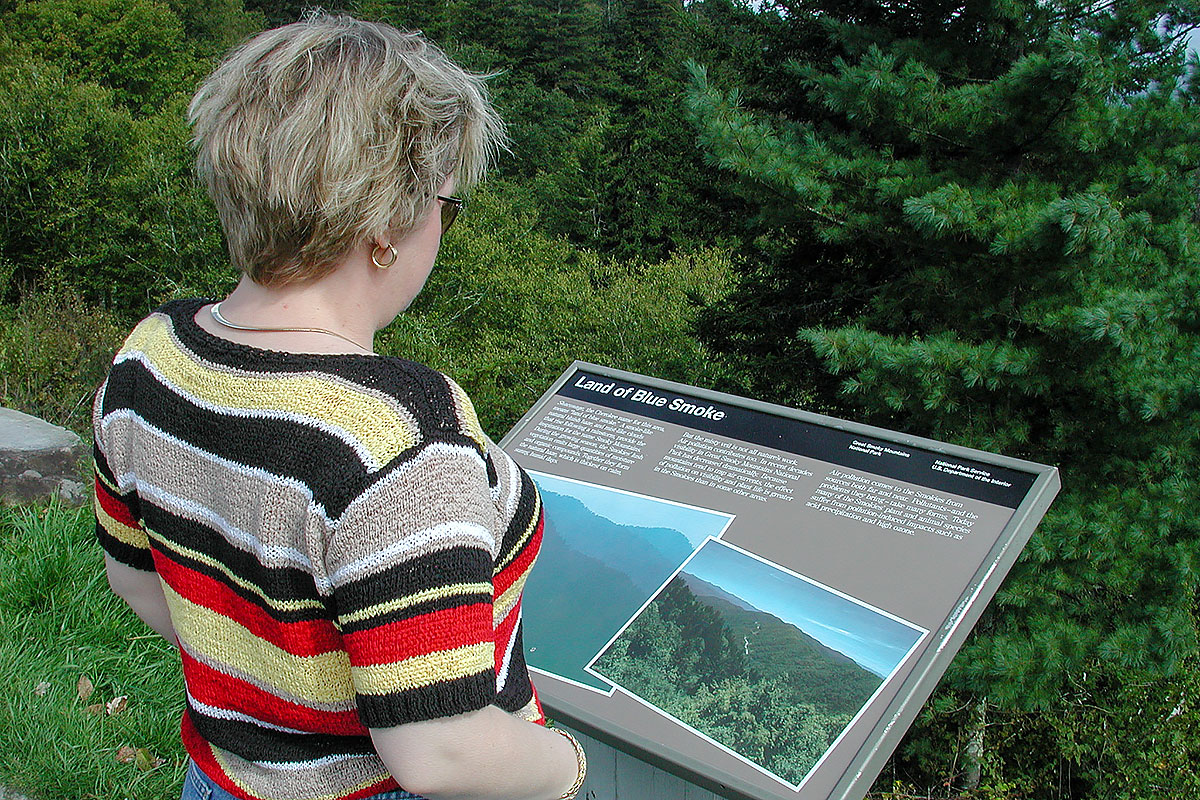
You can also explore our Smoky Mountain Vacation Planning Guide for broader trip planning ideas throughout the region.
Why Great Smoky Mountains National Park Is So Popular
Many national parks require extensive hiking experience or complicated travel logistics, but the Smokies remain approachable for nearly every type of traveler.
Visitors can enjoy:
- Scenic mountain drives
- Roadside overlooks
- Waterfalls
- Wildlife viewing
- Short family-friendly trails
- Historic cabins and churches
- Peaceful picnic areas
The Smokies also offer remarkable variety. Some visitors spend their trip exploring scenic overlooks and photographing mountain landscapes, while others focus on hiking, outdoor recreation, or simply relaxing beside rivers and streams.
This flexibility is one reason so many families return year after year.
For a broader overview of the region, visit our Smoky Mountain Adventures Guide.
Best Entrances to Great Smoky Mountains National Park
Gatlinburg Entrance
The Gatlinburg entrance is one of the busiest and most convenient access points into the national park. Visitors staying in Gatlinburg or Pigeon Forge often choose this route because it provides direct access to:
- Newfound Gap Road
- Laurel Falls
- Kuwohi access road
- Roaring Fork Motor Nature Trail
- Gatlinburg Trail
This entrance works especially well for first-time visitors wanting easy access to iconic Smoky Mountain scenery.
Townsend Entrance
Townsend is often referred to as the peaceful side of the Smokies because of its slower pace and quieter atmosphere.
This entrance provides convenient access to:
- Cades Cove
- Metcalf Bottoms
- Little River Road
- River access areas
- Scenic picnic spots
Visitors looking to avoid some of the heavier Parkway traffic often enjoy beginning their national park experience from Townsend.
Cherokee Entrance
The Cherokee entrance from North Carolina provides access to higher elevations, mountain overlooks, and scenic drives from a different side of the park.
Visitors exploring both Tennessee and North Carolina during their trip often enjoy using this route for day drives through the Smokies.
Best Scenic Drives in Great Smoky Mountains National Park
Scenic drives remain one of the easiest and most rewarding ways to experience the Smokies.
Unlike more physically demanding activities, scenic drives allow visitors of nearly any age or mobility level to enjoy mountain views, rivers, forests, wildlife, and overlooks throughout the park.
Cades Cove Loop Road
Cades Cove remains one of the most famous destinations in Great Smoky Mountains National Park.
The 11-mile loop road passes through a wide mountain valley surrounded by forested ridges and historic structures.
Visitors commonly enjoy:
- Wildlife viewing
- Historic cabins and churches
- Mountain photography
- Open valley scenery
- Peaceful early morning drives
Early mornings usually provide the best opportunities for lighter traffic and wildlife sightings.
Newfound Gap Road
Newfound Gap Road connects Gatlinburg, Tennessee, to Cherokee, North Carolina, while climbing through changing forest elevations and mountain landscapes.
Popular stops include:
- Newfound Gap Overlook
- Morton Overlook
- Kuwohi access road
- Scenic pull-offs
The route becomes especially beautiful during fall foliage season.
Foothills Parkway
The Foothills Parkway has become one of the best scenic driving routes in the Smoky Mountains because of its panoramic views and more relaxed atmosphere.
Many visitors appreciate that traffic often feels lighter compared to some of the park’s busiest roads.
You may also enjoy our guide to scenic mountain drives near Pigeon Forge.
Roaring Fork Motor Nature Trail
Located near Gatlinburg, this narrow one-way road provides a quieter forest driving experience filled with streams, waterfalls, historic cabins, and dense woodland scenery.
It is especially popular during spring and summer when greenery throughout the forest becomes vibrant and lush.
Best Short Hikes for Beginners
You do not need to be an experienced hiker to enjoy Great Smoky Mountains National Park on foot.
Many visitors prefer short, rewarding trails that fit easily into a day of sightseeing.
Gatlinburg Trail
This easy riverside trail near Gatlinburg is ideal for casual walks and family outings.
Laurel Falls Trail
One of the park’s most popular beginner hikes, Laurel Falls rewards visitors with one of the Smokies’ best-known waterfalls.
Porters Creek Trail
This scenic trail offers streams, forests, and remnants of historic mountain communities.
Cataract Falls Trail
A short and family-friendly walk near Sugarlands Visitor Center that leads to a peaceful waterfall.
You may also enjoy our guide to the best short hikes for beginners in the Smoky Mountains.
Best Waterfalls in the Smokies
Waterfalls are among the most popular natural attractions inside Great Smoky Mountains National Park.
Popular waterfall destinations include:
- Laurel Falls
- Grotto Falls
- Tom Branch Falls
- Abrams Falls
- The Sinks
Spring and rainy periods often create the strongest water flow.
Visitors should arrive early at popular waterfall trailheads because parking areas can fill quickly during busy travel seasons.
You may also want to explore our guide to easy-to-reach waterfall spots in the Smoky Mountains.
Wildlife Viewing Tips
The Smokies are known for incredible wildlife viewing opportunities throughout the year.
Animals commonly seen inside the park include:
- White-tailed deer
- Wild turkeys
- Black bears
- Elk
- Bird species
Cades Cove and Cataloochee Valley remain two of the most popular wildlife viewing destinations in the Smokies.
Helpful wildlife viewing tips include:
- Visit early in the morning
- Remain patient and quiet
- Use binoculars or zoom lenses
- Never feed wildlife
- Maintain safe viewing distances
You may also enjoy our guide to wildlife viewing tips for families in the Smokies.
Best Picnic Areas
Picnicking is one of the easiest ways to slow down and enjoy Great Smoky Mountains National Park.
Popular picnic areas include:
- Metcalf Bottoms
- Chimneys Picnic Area
- Cades Cove Picnic Area
- Greenbrier
- Deep Creek
Many picnic areas are located beside rivers or streams, creating peaceful settings for family meals and scenic breaks.
Visitors often enjoy combining picnic stops with scenic drives and short hikes throughout the same day.
Read more in our guide to the best picnic areas in the Smoky Mountains.
Best Seasons to Visit Great Smoky Mountains National Park
Spring
Spring brings blooming wildflowers, flowing waterfalls, and comfortable temperatures. It is one of the best seasons for waterfalls and fresh greenery.
Summer
Summer offers lush forests and long daylight hours but also attracts larger crowds throughout the region.
Fall
Autumn foliage season creates some of the most dramatic scenery in the Smokies as mountains turn shades of orange, red, and yellow.
Winter
Winter provides quieter roads, peaceful scenery, and occasional snow-covered mountain views at higher elevations.
How to Avoid Crowds in the National Park
Because the Smokies are extremely popular, thoughtful planning can help create a more relaxed experience.
Helpful tips include:
- Start activities early
- Visit during weekdays
- Explore lesser-known areas
- Travel during off-peak seasons
- Allow flexibility in your itinerary
You may also enjoy our guide to avoiding crowds in the Smoky Mountains.
How to Plan a Better National Park Visit
Many visitors enjoy the Smokies more when they avoid overscheduling their trip.
A better approach is often to:
- Choose one major scenic drive
- Add one waterfall or short hike
- Leave time for overlooks and photography
- Allow flexibility for unexpected stops
Trying to do too much in one day can make the experience feel rushed.
For official maps, closures, alerts, and visitor information, visit the National Park Service website.
Pair National Park Exploration with Outdoor Adventure
Many visitors enjoy combining peaceful national park experiences with exciting outdoor activities throughout the Smokies.
At Smoky Mountain Ziplines, guests can soar above the forest canopy near Pigeon Forge while enjoying incredible mountain scenery and professionally guided outdoor adventure.
The experience pairs well with scenic drives, waterfall visits, and sightseeing days throughout Great Smoky Mountains National Park.
You may also enjoy our post on why ziplining is one of the best group activities in the Smokies.
Frequently Asked Questions
How much time do I need to visit Great Smoky Mountains National Park?
You can enjoy parts of the park in a few hours, but a full day or multiple days allows for a far more complete experience.
Do I need hiking experience?
No. Scenic drives, overlooks, waterfalls, and picnic areas allow visitors to experience the Smokies without strenuous hiking.
What is the best scenic drive for first-time visitors?
Newfound Gap Road and Cades Cove are two of the most popular scenic drives for first-time visitors.
When is the least crowded time to visit?
Weekdays, early mornings, and winter months are generally less crowded.
Why Visitors Continue Returning to the Smokies
The Smokies feel different every season. Changing weather, shifting light, wildlife activity, and seasonal scenery make even familiar roads and overlooks feel new again.
Many visitors return because the park offers a balance of beauty, accessibility, adventure, and peaceful outdoor experiences that are difficult to find elsewhere.
Some vacations are built around constant activity. The Smokies often remind visitors to slow down, enjoy the scenery, and appreciate simple moments in nature.
Start Exploring Great Smoky Mountains National Park
Great Smoky Mountains National Park offers one of the most rewarding outdoor experiences in America. Whether you visit for scenic drives, waterfalls, wildlife viewing, hiking, photography, or peaceful mountain scenery, the park creates opportunities for memorable experiences throughout every season.
Take your time, enjoy the journey, and let the Smokies reveal themselves one scenic stop at a time.