
Blog for Zipline Attraction in the Smoky Mountains
Located in Pigeon Forge, TN and near Gatlinburg and Sevierville.
Wildlife Conservation in the Smoky Mountains
By Ross Bodhi Ogle
Posted on March 4, 2025
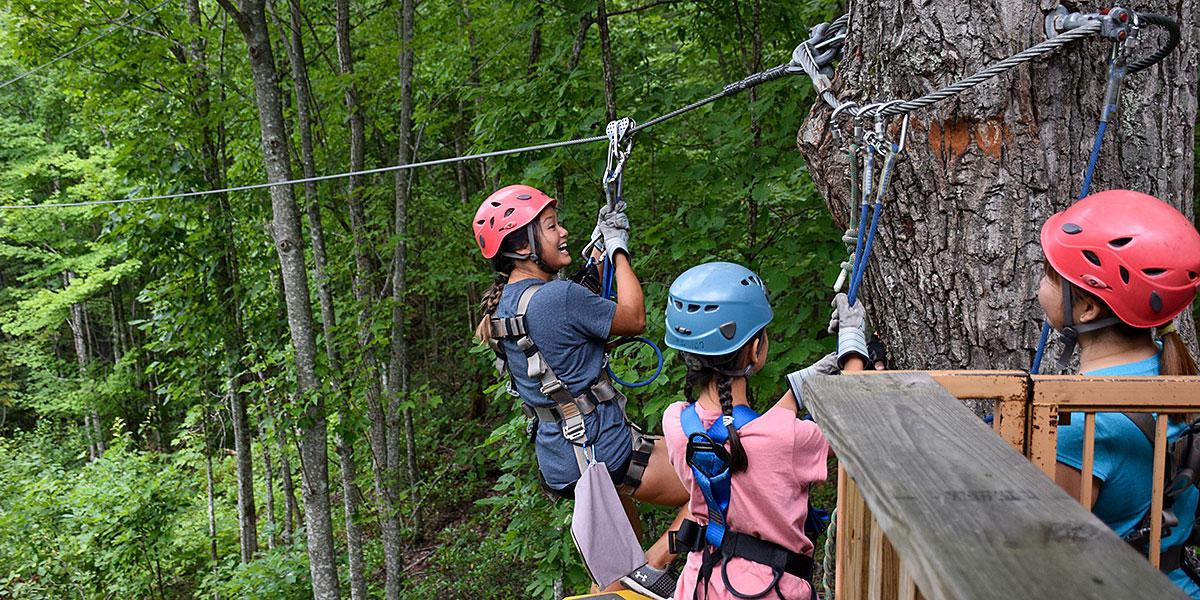
Nestled in the heart of the Appalachian Mountains, the Great Smoky Mountains National Park is one of the most biologically diverse ecosystems in the United States. With its dense forests, high elevations, and unique climate, the park serves as a haven for countless species of plants, animals, and insects. However, like many natural areas, the Smoky Mountains face growing threats to its wildlife. Climate change, habitat destruction, and human activity have all contributed to the endangerment of several species. In response, conservation efforts are in full swing to protect and preserve the rich biodiversity of this treasured region. In this blog post, we'll explore the ongoing wildlife conservation efforts in the Smoky Mountains and the initiatives aimed at safeguarding endangered species.
The Rich Biodiversity of the Smoky Mountains
Before diving into conservation efforts, it's important to understand just how significant the Smoky Mountains are in terms of biodiversity. The Great Smoky Mountains National Park, which spans across North Carolina and Tennessee, is home to more than 19,000 documented species of living organisms, and scientists believe that tens of thousands more species may exist but have yet to be discovered.
From black bears and elk to the elusive salamanders and a wide variety of birds, the park provides a sanctuary for numerous species, many of which are found nowhere else on Earth. The park's complex ecosystems, varying elevations, and distinct microclimates create an ideal environment for a range of species to thrive. However, these very same factors also make the park's wildlife particularly vulnerable to environmental changes and human impact.
Threats to Wildlife in the Smoky Mountains
Despite its protected status, the Smoky Mountains face several significant threats to its wildlife, many of which have led to the endangerment or decline of various species. Here are some of the main challenges:
1. Habitat Loss and Fragmentation
As human development continues to expand around the park, wildlife habitats are being encroached upon and fragmented. Roads, urbanization, and agricultural expansion disrupt migration routes, reduce available space for species to thrive, and increase the likelihood of human-wildlife conflict.
2. Invasive Species
Invasive species, such as the hemlock woolly adelgid, an insect that threatens native hemlock trees, and the Japanese knotweed, which invades riparian habitats, are a growing problem in the Smokies. These non-native species disrupt natural ecosystems, often outcompeting native plants and animals for resources, which can have cascading effects throughout the food chain.
3. Pollution and Air Quality
Air pollution, especially from nearby industrial and urban areas, can degrade the quality of air and water in the Smoky Mountains. Acid rain, resulting from sulfur and nitrogen emissions, has been particularly harmful to plant life and aquatic ecosystems. Pollutants also affect the health of wildlife by disrupting reproductive cycles and causing long-term health issues.
Key Endangered Species in the Smoky Mountains
Several species in the Smoky Mountains are currently listed as endangered or threatened, and are at the forefront of conservation efforts. Some of the most notable species include:
1. The Eastern Hellbender Salamander
The Eastern hellbender, a large aquatic salamander, has seen its population decline significantly due to pollution, habitat destruction, and climate change. Hellbenders are highly sensitive to changes in water quality, and the increase in sedimentation from logging and construction has negatively impacted their habitats. Conservation efforts are focused on water quality monitoring, restoring river ecosystems, and captive breeding programs.
2. The Carolina Northern Flying Squirrel
Found only in the high elevations of the Smoky Mountains, the Carolina northern flying squirrel is critically endangered. This nocturnal species relies on mature, old-growth forests with abundant tree cavities for nesting. Habitat loss due to logging, as well as climate change, has greatly reduced their population. Efforts to protect their habitat and increase awareness are central to their recovery.
3. The Appalachian Elk
Once nearly wiped out from overhunting, the elk population in the Smoky Mountains was reintroduced in 2001. While their population has slowly increased, elk remain a vulnerable species, especially due to habitat loss and human encroachment. Conservationists have focused on providing sufficient food sources, protecting breeding areas, and minimizing human interaction.
4. The American Peregrine Falcon
The peregrine falcon, once nearly extinct in the wild due to pesticide use and hunting, has made a remarkable recovery in the Smokies. Thanks to dedicated efforts by conservationists to protect nesting sites, remove threats, and promote breeding, the peregrine falcon is gradually increasing in number.
Conservation Efforts: Protecting the Smokies' Wildlife
Efforts to protect wildlife in the Smoky Mountains are diverse and involve both government and non-profit organizations, as well as local communities. Key initiatives include:
1. Habitat Restoration and Protection
The National Park Service (NPS) and local conservation organizations are working to restore and protect the natural habitats in the Smokies. This involves replanting native vegetation, controlling invasive species, and maintaining the integrity of key ecosystems such as wetlands and riparian zones.
2. Wildlife Monitoring and Research
Scientific research is critical to understanding the health and needs of wildlife in the Smoky Mountains. Ongoing monitoring programs track populations of endangered species, assess the impacts of climate change, and provide valuable data to guide conservation efforts. The Smoky Mountain Biological Station conducts research on a wide variety of species, helping to inform both short-term and long-term conservation strategies.
3. Education and Outreach
Public education and outreach play a crucial role in wildlife conservation in the Smokies. Local organizations, including the Great Smoky Mountains Institute at Tremont, offer educational programs and field studies to raise awareness about endangered species and the importance of preserving biodiversity. Visitors to the park are encouraged to be mindful of their impact on the environment by following Leave No Trace principles and respecting wildlife.
4. Collaborations with Local Communities
Collaboration with local communities surrounding the Smoky Mountains is vital for successful conservation. By involving local stakeholders in habitat protection, sustainable tourism practices, and species monitoring, conservation efforts become more effective. These collaborations ensure that conservation is integrated into everyday life and that local residents are invested in protecting the park's natural heritage.
Looking Ahead: The Future of Wildlife in the Smoky Mountains
While challenges remain, the concerted efforts to protect endangered species in the Smoky Mountains are beginning to show positive results. Through habitat protection, research, education, and community involvement, the park's unique wildlife has a better chance of thriving for generations to come.
The work is far from over, but the continued dedication of conservationists, local communities, and government agencies ensures that the Great Smoky Mountains National Park remains a beacon of biodiversity and a testament to the power of collective action in preserving our natural world. As we move forward, it's important to remember that protecting these species isn't just about saving animals; it's about preserving a critical piece of the planet's ecosystem, one that benefits all of us. Here at Smoky Mountain Ziplines, we appreciate the diverse wildlife and support protecting the native species.