
Blog for Zipline Attraction in the Smoky Mountains
Located in Pigeon Forge, TN and near Gatlinburg and Sevierville.
A Beginner's Guide to Wildlife Watching in the Smokies
By Ross Bodhi Ogle
Posted on June 16, 2026
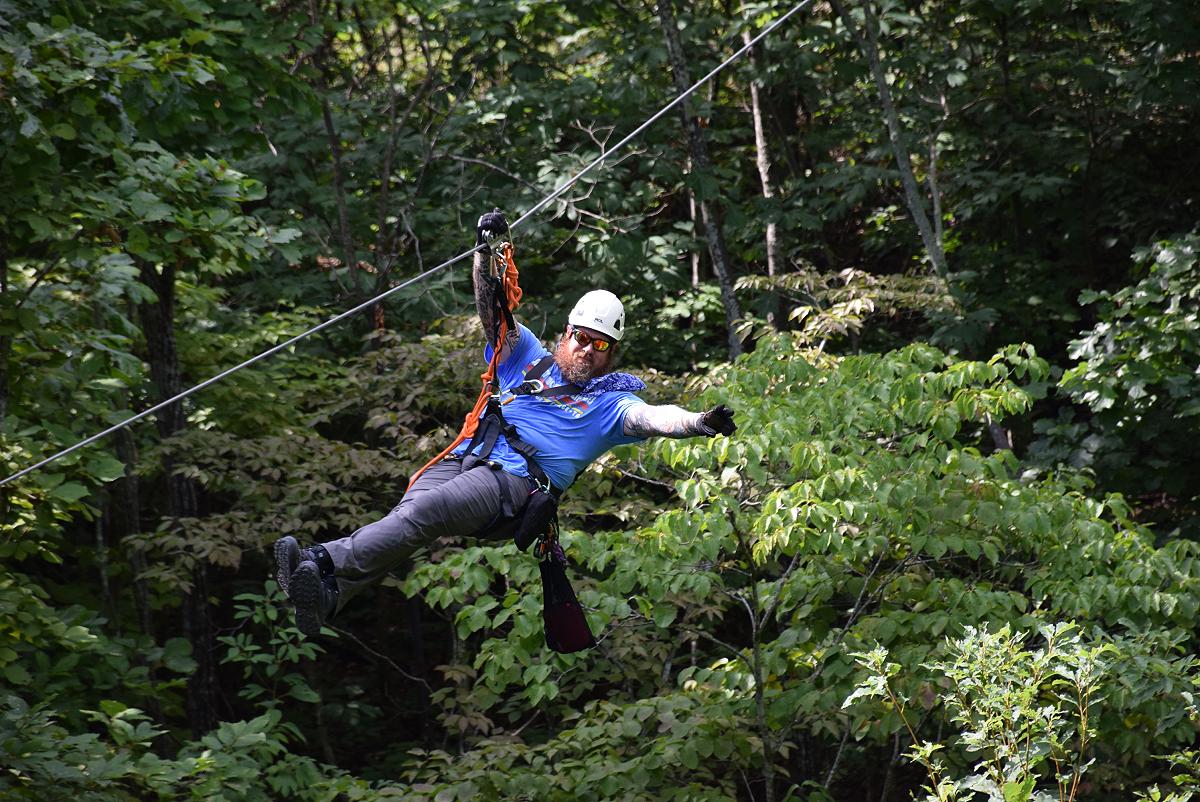
The Great Smoky Mountains National Park is known for its scenic beauty, but it's also one of the best places in the eastern United States to observe wildlife in its natural habitat. Every year, visitors travel from around the world hoping to catch a glimpse of black bears, white-tailed deer, elk, wild turkeys, salamanders, and countless species of birds.
Seeing wildlife is often one of the highlights of a Smoky Mountain vacation. The key is knowing where to look, when to go, and how to observe animals responsibly. With a little planning, you'll greatly improve your chances of enjoying memorable wildlife encounters while helping protect the park and its inhabitants.
At a Glance
- Best For: Families, photographers, nature lovers
- Best Time: Early morning and late afternoon
- Top Wildlife: Black bears, elk, deer, wild turkeys, birds
- Difficulty: Easy
- Cost: Free (parking tag may apply when parking in designated areas)
Why Wildlife Watching Is So Popular
The Smokies are one of the most biologically diverse national parks in North America. Scientists have documented more than 19,000 species, and thousands more are believed to exist within the park. From tiny salamanders to large mammals, the variety of wildlife is remarkable.
Unlike a zoo, every wildlife encounter here is completely natural. Animals roam freely, making each sighting unique and exciting.
Black Bears
Black bears are undoubtedly the animals many visitors hope to see. Great Smoky Mountains National Park is home to an estimated population of approximately 1,900 black bears, making it one of the healthiest bear populations in the eastern United States.
Your best chances of seeing a bear are during the cooler hours of the day, particularly in spring through early fall. Cades Cove is one of the park's best-known bear viewing areas, although bears can be encountered throughout the park.
If you see a bear, remain at a safe distance. Never approach, feed, or attempt to take close-up selfies. Giving wildlife plenty of space helps protect both visitors and the animals.
Elk
Although elk disappeared from the Smokies for many years, successful restoration efforts have reintroduced them to the region. The Cataloochee Valley on the North Carolina side of the park is one of the best places to observe these impressive animals.
Elk are especially active during the early morning and evening hours. During the fall rut, males can become aggressive, so it's especially important to observe from a respectful distance.
White-Tailed Deer and Wild Turkeys
White-tailed deer are among the most commonly seen animals in the park. Open fields in Cades Cove often provide excellent viewing opportunities, particularly shortly after sunrise.
Wild turkeys are also frequently spotted throughout the park, especially in open meadows and along quieter roadways.
Bird Watching
The Smokies are a paradise for bird enthusiasts. Depending on the season, visitors may see pileated woodpeckers, wild turkeys, hawks, owls, warblers, and many other species.
Bringing a pair of binoculars can make your wildlife experience even more rewarding.
Best Places to Watch Wildlife
- Cades Cove – Bears, deer, turkeys, coyotes
- Cataloochee Valley – Elk
- Roaring Fork Motor Nature Trail – Birds and smaller wildlife
- Little River Road – Birds and occasional deer
- Newfound Gap Road – Scenic overlooks with opportunities to observe birds and smaller mammals
If you're planning to visit several of these locations, be sure to read our guide to the best scenic drives in the Smoky Mountains.
Wildlife Safety Tips
Quick Tips
- Observe animals from a distance.
- Never feed wildlife.
- Use binoculars or a zoom lens.
- Stay on designated roads and trails.
- Keep children close when wildlife is nearby.
- Be patient. Wildlife appears on its own schedule.
Photography Tips
Bring a telephoto lens if possible, but don't worry if you only have a smartphone. Sometimes the best memories come from simply enjoying the experience instead of trying to capture the perfect photo.
Morning light often provides the best conditions for wildlife photography while avoiding the harsh midday sun.
Complete Your Day with Adventure
Many visitors enjoy starting the day searching for wildlife before adding another outdoor experience to their itinerary. After spending the morning exploring the national park, head to Smoky Mountain Ziplines for an unforgettable canopy tour.
You'll experience the Smoky Mountains from an entirely different perspective while soaring through the treetops with our experienced guides. It's the perfect complement to a morning spent appreciating the park's incredible wildlife.
Frequently Asked Questions
What is the best time of day to see wildlife?
Early morning and late afternoon generally provide the best opportunities because many animals are more active during cooler temperatures.
Where are black bears most commonly seen?
Cades Cove is one of the park's best-known bear viewing areas, although bears live throughout Great Smoky Mountains National Park.
Is it safe to approach wildlife for photos?
No. Always maintain a safe distance and use a zoom lens or binoculars. Wild animals can behave unpredictably if approached.
What should I bring for wildlife watching?
Comfortable shoes, binoculars, water, a camera, and patience are all excellent additions to your day.
Can I combine wildlife watching with other activities?
Absolutely. Many visitors spend the morning driving through Cades Cove or other scenic areas before enjoying a canopy tour at Smoky Mountain Ziplines in the afternoon.
Continue Planning Your Smoky Mountain Vacation
For more travel inspiration, explore our articles about Scenic Drives You'll Love in the Smokies, Your Complete Smoky Mountain Packing Guide, Why Families Love Ziplining in the Smokies, and our Ultimate Smoky Mountain Vacation Guide.
For current wildlife safety recommendations and park information, visit the official National Park Service website at https://www.nps.gov/grsm/.