Blog for Zipline Attraction in the Smoky Mountains
Located in Pigeon Forge, TN and near Gatlinburg and Sevierville.
Your Complete Smoky Mountain Packing Guide
By Ross Bodhi Ogle
Posted on July 7, 2026
Quick Answer: The best way to pack for a Smoky Mountain vacation is to bring comfortable layers, supportive shoes, rain protection, water, and a few outdoor essentials. Weather can change quickly between Pigeon Forge, Gatlinburg, and the higher elevations of Great Smoky Mountains National Park, so flexibility matters more than packing for one specific forecast.
At a Glance
- Best For: Families, couples, groups, first-time visitors
- Most Important Item: Comfortable walking shoes
- Weather Strategy: Dress in layers
- Outdoor Essential: Refillable water bottle
- Commonly Forgotten: Rain jacket and sunscreen
Packing for a Smoky Mountain vacation can be a little different from preparing for a typical city getaway. During the same trip, you may spend a cool morning driving through the national park, enjoy a warm afternoon in Pigeon Forge, eat dinner in Gatlinburg, and return to a cabin where temperatures feel noticeably cooler after sunset.
The region's changing elevation, seasonal weather, and wide variety of activities make thoughtful packing especially important. You do not need to bring everything you own, but a few well-chosen items can make your trip more comfortable and help you adjust when the weather or your plans change.
This guide covers clothing, footwear, cabin supplies, outdoor essentials, rainy-day items, and what to wear when booking a canopy tour at Smoky Mountain Ziplines.
Start with Comfortable Clothing
Comfort should be your first priority. Most Smoky Mountain vacations involve more walking than visitors initially expect. Even if you are not planning a long hike, you may spend hours exploring scenic overlooks, walking through downtown areas, shopping, dining, or enjoying outdoor activities.
Pack clothing that allows you to move easily and remain comfortable throughout the day. Lightweight shirts, breathable pants, shorts during warm weather, and casual layers work well for most trips.
Avoid packing only heavy or highly formal clothing. Most restaurants and activities throughout the area have a relaxed atmosphere, so casual travel clothes are usually appropriate.
Dress in Layers
Layering is one of the most useful packing strategies for the Smokies. Temperatures can vary considerably between the valleys and higher mountain elevations. A pleasant afternoon in Pigeon Forge may feel much cooler at Newfound Gap or Kuwohi.
A simple layering system might include:
- A comfortable short-sleeve or long-sleeve base layer
- A lightweight fleece, sweatshirt, or sweater
- A water-resistant outer layer
- A warmer jacket during late fall, winter, and early spring
Layers allow you to remove clothing as the day warms and add it again when the temperature drops. This approach is especially useful during spring and fall, when mornings and evenings may feel much cooler than the middle of the day.
Did You Know?
Temperatures in the higher elevations of Great Smoky Mountains National Park can be significantly cooler than temperatures in nearby towns. Checking the forecast for both your lodging area and the places you plan to visit can help you pack more accurately.
Bring the Right Shoes
Comfortable footwear may be the single most important item on your packing list. Even visitors who do not plan to hike often spend much of the day on their feet.
Bring closed-toe shoes with good support and reliable traction. Athletic shoes or lightweight hiking shoes are suitable for most sightseeing, scenic overlooks, and short trails.
If you plan to hike on uneven or wet terrain, consider footwear with stronger tread and some water resistance. Bringing an extra pair of shoes can also be helpful if your primary pair becomes muddy or wet.
Flip-flops and sandals can be useful at your cabin or pool, but they should not be your only footwear for a trip that includes outdoor adventures.
Pack for Rain
Rain is common in the Smoky Mountains, and forecasts can change quickly. A lightweight rain jacket or compact poncho takes up very little luggage space and can save an entire day of plans.
Other useful rainy-weather items include:
- A compact umbrella
- Water-resistant shoes
- A small dry bag or resealable plastic bags
- An extra pair of socks
- A microfiber cloth for glasses or camera lenses
Light rain does not always mean your vacation plans must stop. Our guide to enjoying a rainy day in the Smoky Mountains includes flexible ideas for dining, shopping, cabin time, scenic drives, and outdoor activities when conditions permit.
Outdoor Essentials
Whether you are taking a short walk, visiting a scenic overlook, or spending several hours in the national park, a small daypack can help keep your essentials organized.
Consider carrying:
- A refillable water bottle
- Light snacks
- Sunscreen
- Insect repellent
- Sunglasses
- A basic first-aid kit
- A portable phone charger
- A printed or downloaded map
- Any required medications
Cell service can be unreliable in parts of Great Smoky Mountains National Park, so downloading maps and directions before leaving your lodging is a smart precaution.
Quick Packing Tips
- Check the forecast again the night before leaving.
- Pack one complete change of clothes in your carry-on or vehicle.
- Bring more socks than you think you will need.
- Use packing cubes to separate hiking, casual, and evening clothes.
- Keep rain gear where it is easy to reach.
- Leave some luggage space for souvenirs.
What to Pack for a Cabin Stay
Mountain cabins often provide more amenities than hotel rooms, but every property is different. Review your lodging confirmation before packing so you know what is already supplied.
Depending on the cabin, you may want to bring:
- Groceries and favorite snacks
- Coffee or preferred drink mixes
- Food storage containers
- Paper towels or extra trash bags
- Laundry detergent
- Pool towels if they are not supplied
- Board games or cards
- Streaming account information
Do not assume every cabin includes the same kitchen equipment, toiletries, or household supplies. Confirming these details before arrival can prevent an unnecessary trip to the store.
What to Wear Ziplining
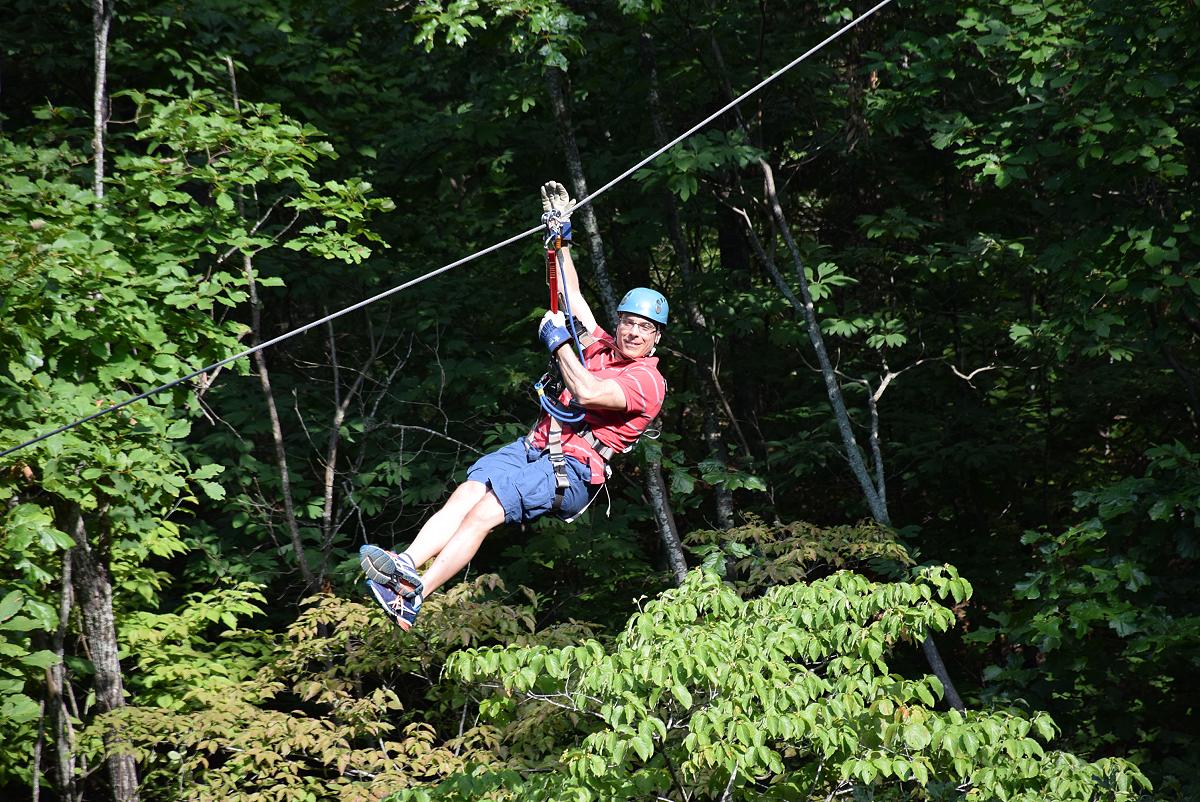
Proper clothing can make your canopy tour more comfortable. Wear closed-toe shoes that remain securely on your feet. Athletic shoes are usually an excellent choice.
Choose comfortable clothing that allows easy movement. Avoid loose accessories that may fall, catch, or become distracting during the tour. Long hair should be secured, and valuable items should be stored safely.
Weather-appropriate layers are also helpful. Mornings may be cool, while afternoon temperatures can become warmer. If light rain is possible, bring a water-resistant outer layer.
Before your visit, review the current participation requirements and tour information provided by Smoky Mountain Ziplines. Booking ahead can also help you secure the tour time that fits best with the rest of your itinerary.
Seasonal Packing Advice
Spring
Spring weather can vary widely. Pack lightweight layers, rain protection, comfortable shoes, and a warmer jacket for mornings or higher elevations. Pollen can also be noticeable, so bring any allergy supplies you normally use.
Summer
Summer days are often warm and humid. Bring breathable clothing, sunscreen, insect repellent, a refillable water bottle, and light rain gear. A lightweight long-sleeve shirt can provide sun and insect protection.
Fall
Autumn mornings and evenings can be cool while afternoons remain comfortable. Pack layers, a medium-weight jacket, walking shoes, and rain protection. Fall weekends are busy, so keep essential items with you rather than leaving everything at your lodging.
For more seasonal planning advice, read our guide to planning a fall vacation in the Smokies.
Winter
Winter visitors should bring a warm coat, gloves, a hat, thick socks, and shoes with good traction. Snow and ice are more likely at higher elevations, even when roads in Pigeon Forge and Gatlinburg are clear.
Camera and Technology Essentials
The Smoky Mountains provide countless opportunities for photography, from sunrise views and wildlife to family activities and cabin scenery.
Consider bringing:
- Your phone or camera
- Extra batteries
- Additional memory cards
- A portable charger
- A lens cloth
- A protective case or dry bag
- A small tripod, where permitted
Use a zoom lens or binoculars when watching animals. Never approach wildlife for a closer photograph. Our Smoky Mountain wildlife guide explains how to observe bears, elk, deer, and other animals responsibly.
Documents and Reservations
Keep important reservation details organized before leaving home. Save digital copies to your phone, but consider printing key information in case cell service or internet access is limited.
Your travel folder may include:
- Lodging confirmation
- Activity reservations
- Driving directions
- National park maps
- Emergency contact information
- Medical and insurance information
- Pet documentation, when applicable
Double-check arrival instructions for your cabin or hotel. Mountain properties sometimes use electronic locks, gate codes, or detailed turn-by-turn directions that are easier to review before dark.
Sample Three-Day Packing Plan
Day One: Casual travel clothing, walking shoes, a light layer, and an easily accessible rain jacket.
Day Two: Outdoor clothing, closed-toe shoes, refillable water bottle, sunscreen, and a daypack for sightseeing or ziplining.
Day Three: Comfortable layered clothing for a scenic drive, dining, shopping, or a visit to Great Smoky Mountains National Park.
Pack at least one additional outfit in case weather changes or clothing becomes wet. An extra pair of socks and shoes can be especially useful.
Frequently Asked Questions
What is the most important thing to pack for the Smoky Mountains?
Comfortable, supportive walking shoes are one of the most important items because most visitors spend considerable time walking, sightseeing, or enjoying outdoor activities.
Do I need a jacket in summer?
A lightweight jacket or long-sleeve layer can still be useful during cool mornings, rainy periods, and visits to higher elevations.
Should I pack hiking boots?
Hiking boots are helpful for longer or more rugged trails, but supportive athletic shoes or lightweight hiking shoes are often sufficient for short walks and scenic overlooks.
What should I wear for a zipline tour?
Wear closed-toe shoes and comfortable clothing that allows easy movement. Secure long hair and avoid loose accessories.
Should I bring food to a cabin?
Bringing groceries, drinks, and favorite snacks can be convenient, especially if your cabin is located away from major stores. Review the property's kitchen amenities before shopping.
Does the weather change quickly?
Yes. Weather can vary by elevation and location, so packing layers and rain protection is recommended throughout the year.
Related Reading
- Planning a Fall Vacation in the Smokies
- Don't Let Rain Ruin Your Smoky Mountain Trip
- Scenic Drives You'll Love in the Smokies
- A Beginner's Guide to Wildlife Watching in the Smokies
- Ultimate Smoky Mountain Vacation Guide
Pack Smart and Enjoy the Adventure
You do not need an oversized suitcase to enjoy the Smokies. Comfortable layers, reliable footwear, rain protection, and a few outdoor essentials will prepare you for most vacation plans.
Once your bags are packed, add a memorable outdoor experience to your itinerary with a guided canopy tour at Smoky Mountain Ziplines. Booking before your trip helps ensure you get the day and time that works best for your family or group.
For official trip-planning information, maps, alerts, and seasonal conditions, visit the Great Smoky Mountains National Park website.