
Blog for Zipline Attraction in the Smoky Mountains
Located in Pigeon Forge, TN and near Gatlinburg and Sevierville.
The History and Use of Zip Lines: A Journey Through Time
By Ross Bodhi Ogle
Posted on February 25, 2025
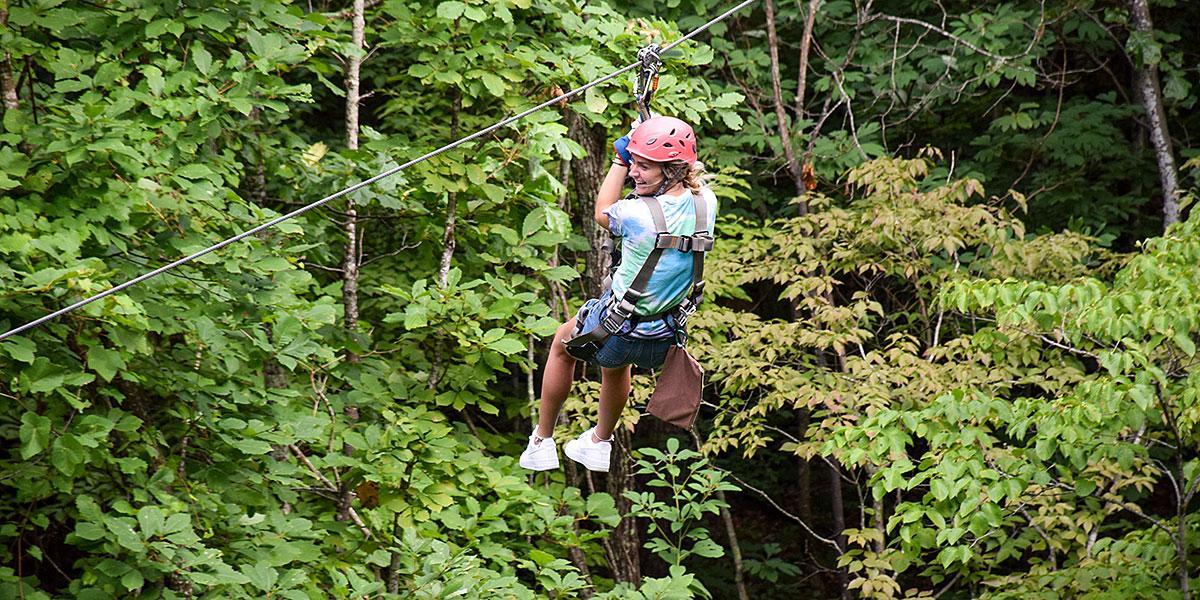
Zip lines are an exhilarating way to traverse landscapes, offering thrilling experiences for adventurers and tourists alike. What may seem like a modern recreational activity has actually deep historical roots, stretching across various cultures and serving multiple purposes throughout the ages. In this blog post, we'll take a deep dive into the history and evolution of zip lines, as well as explore their diverse uses in the present day.
The Origins: Early Uses of Zip Lines
The concept of the zip line dates back centuries, long before they became popularized in the world of adventure tourism. The first recorded use of zip lines appeared in the mountainous regions of Asia and South America. These early zip lines were not for recreation but served practical purposes.
In South America:
In the rugged terrain of the Andes Mountains, indigenous people used ropes and simple cable systems to navigate steep cliffs and difficult landscapes. Known as “cableways,” these primitive zip lines helped transport goods and people across dangerous or difficult-to-reach areas. In regions like the Amazon rainforest, zip lines played a crucial role in aiding movement through dense jungle canopies, allowing travelers and traders to avoid the treacherous jungle floor.
In Asia:
In China, zip lines were also utilized for practical purposes, especially in remote regions where natural obstacles made it difficult to build traditional infrastructure like roads or bridges. These cable systems enabled people to cross rivers, ravines, and steep slopes, further helping with the transportation of goods, and sometimes even livestock. Similar practices were found in other parts of Asia, where mountainous terrain demanded creative solutions for mobility.
The Evolution: From Functional to Recreational
As societies advanced and technology improved, the zip line's purpose began to evolve. During the 19th and 20th centuries, as industrialization spread, the basic concept of the zip line remained useful for work-related purposes, such as transporting materials across large factories, farms, and mining sites. However, it wasn't until the mid-20th century that the zip line transitioned into an activity designed for enjoyment rather than necessity.
The Advent of Adventure Tourism:
In the 1970s and 1980s, zip lines began appearing in outdoor adventure parks and tourist attractions. The thrill of gliding through the air, high above the ground, appealed to a wide range of people looking for a taste of adventure without the need for extensive training. Companies started to use zip lines in forested areas and across valleys, offering an immersive experience of nature combined with the adrenaline rush of the ride.
One of the key turning points in the history of zip lining for recreation occurred in Costa Rica. In the early 1990s, a zip line was installed in the rainforest canopy of Monteverde, Costa Rica, as part of an effort to provide visitors with a unique way to experience the jungle's wildlife. The success of this venture sparked a wave of similar eco-tourism ventures around the world, with zip lines becoming a standard feature of nature reserves, theme parks, and resorts.
The Uses of Zip Lines Today
Today, zip lines are no longer just for industrial or transportation purposes. They are widely used for recreation, education, environmental conservation, and even as emergency evacuation tools. Here are a few of the diverse ways zip lines are utilized:
1. Adventure Tourism and Eco-Tourism:
The most common use of zip lines today is as part of adventure tourism. Zip line tours offer visitors the chance to soar through treetops, cross canyons, and explore forests from a completely new perspective. These experiences are found all over the world, from the rainforests of Central America to the Swiss Alps, providing a blend of thrill and awe-inspiring natural beauty. They are especially popular in eco-tourism, where the goal is to enjoy nature responsibly without causing damage to the environment.
2. Conservation and Research:
Zip lines are also used in conservation and scientific research. In remote areas, zip lines allow researchers to access difficult-to-reach places in the forest canopy without disturbing fragile ecosystems. This has been particularly useful in the study of tropical rainforests, where scientists need to observe wildlife and vegetation at various levels of the canopy. In addition, some zip lines are used as tools for wildlife conservation by linking fragmented habitats, allowing animals to move freely between areas without the dangers posed by ground-level threats.
3. Military and Rescue Operations:
In high-risk scenarios, zip lines can be used in military operations and rescue missions. For example, zip lines are an effective method of quickly evacuating injured individuals from areas where helicopters cannot easily land or where road access is unavailable. In certain military operations, zip lines are used to transport personnel or equipment across dangerous or otherwise impassable terrain.
4. School and Team Building:
Zip lines are increasingly being used as a tool for team-building exercises in schools, camps, and corporate retreats. The excitement and challenge of completing a zip line course can foster teamwork, communication, and trust, making it a popular choice for organizations looking to encourage collaboration and boost morale.
5. Zip Line Parks:
As zip lines have become more popular, companies have created dedicated zip line parks featuring multiple zip lines, obstacle courses, and additional challenges. These parks are designed for people of all ages, offering everything from family-friendly courses to high-adrenaline rides designed for thrill-seekers.
Soaring into the Future
What began as a practical tool for transportation and survival has transformed into a global symbol of adventure, recreation, and exploration. Zip lines offer an unforgettable experience that combines nature, speed, and thrill, making them a popular choice for those seeking both excitement and connection to the environment. As the technology behind zip line construction continues to evolve, we may see even more innovative ways to integrate zip lines into the landscapes of tomorrow, expanding their uses in ways we can't yet imagine. Whether for work, leisure, or conservation, the history and future of zip lines are bound to remain as exciting as the ride itself.