
Blog for Zipline Attraction in the Smoky Mountains
Located in Pigeon Forge, TN and near Gatlinburg and Sevierville.
Historic Cabins and Homesteads to Explore in the Smoky Mountains
By Ross Bodhi Ogle
Posted on November 12, 2024
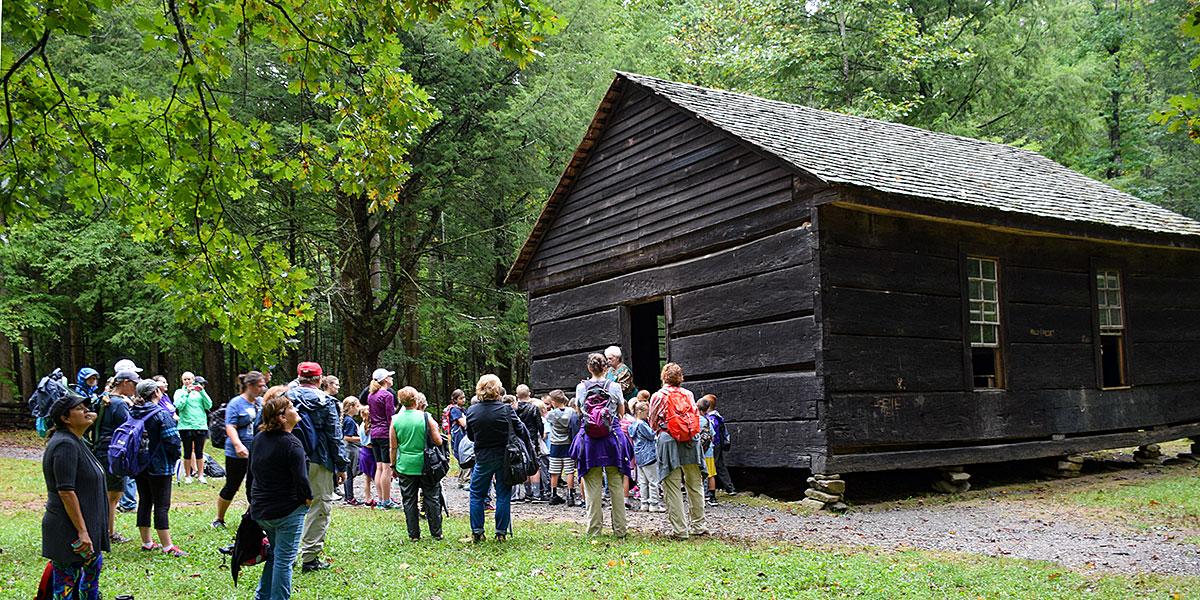
The Great Smoky Mountains are famous for scenic overlooks, waterfalls, hiking trails, and outdoor adventure. However, beyond the natural beauty lies another important part of the region's identity - its rich Appalachian history.
Scattered throughout the Smokies are historic cabins, preserved homesteads, mills, and mountain farms that tell the story of the families who once lived deep within these rugged mountains. Visiting these locations offers travelers a chance to better understand the daily lives, hardships, and traditions of early settlers who shaped the culture of East Tennessee and Western North Carolina.
Today, many of these preserved sites can still be explored inside the Great Smoky Mountains National Park, giving visitors a unique opportunity to combine outdoor sightseeing with Appalachian history.
If you are planning a Smoky Mountain vacation, these historic cabins and homesteads are well worth adding to your itinerary.
The Ogle Cabin
One of the best-known historic structures in the Smokies is the Ogle Cabin, located within the Elkmont Historic District.
Built during the early 1900s, the cabin belonged to the Ogle family, one of the earliest groups of settlers connected to what later became Great Smoky Mountains National Park.
The cabin provides visitors with a glimpse into early mountain life and showcases the resourcefulness required to survive in the remote Appalachian wilderness.
Guests visiting the site can observe:
- Traditional log cabin construction
- Historic mountain architecture
- Preserved homestead features
- Examples of early Appalachian living conditions
The peaceful surroundings of Elkmont make this stop especially appealing for visitors interested in combining history with scenic Smoky Mountain landscapes.
The Walker Sisters Cabin
The Walker Sisters Cabin remains one of the most fascinating historic homesteads in the Smokies.
Located in the Little Greenbrier area, this cabin tells the story of the Walker Sisters, a group of unmarried women who lived independently in the mountains well into the 20th century.
The sisters became known for their self-sufficient lifestyle, relying on farming, livestock, sewing, and handcrafted goods to support themselves.
Today, visitors can reach the cabin through a short and relatively easy hike, making it one of the more accessible historic sites in the national park.
The preserved cabin and surrounding structures provide insight into:
- Appalachian self-sufficiency
- Traditional farming practices
- Early Smoky Mountain homesteading
- Life in isolated mountain communities
The Walker Sisters Cabin remains one of the best examples of independent mountain living preserved within the national park.
Cades Cove Historic Homesteads
Cades Cove is one of the most visited destinations in the Smoky Mountains and also one of the richest areas for Appalachian history.
This scenic valley contains numerous preserved cabins, churches, barns, and homesteads that once belonged to early settlers.
The popular Cades Cove Loop Road allows visitors to explore many of these historic structures while also enjoying wildlife viewing and mountain scenery.
John Oliver Cabin
The John Oliver Cabin is considered one of the oldest surviving structures in Cades Cove. Built in the early 1800s, the cabin belonged to one of the first permanent settlers in the valley.
The cabin offers visitors a firsthand look at the simple yet durable construction methods used by early Appalachian families.
Cable Mill
The Cable Mill area includes a historic gristmill, barn, and additional outbuildings that demonstrate how mountain communities processed grain and supported agricultural life.
The mill remains one of the most photographed historic sites in the Smokies.
Tipton Place
Tipton Place showcases a larger homestead that belonged to generations of the Tipton family. The property includes multiple structures and offers a broader look at life in Cades Cove during the 1800s.
Visitors exploring Cades Cove may also encounter:
- White-tailed deer
- Wild turkeys
- Black bears
- Historic churches
- Scenic mountain views
Cades Cove combines history, wildlife, and natural beauty better than almost anywhere else in the Smoky Mountains.
Mountain Farm Museum
Near the Oconaluftee Visitor Center in North Carolina, the Mountain Farm Museum preserves a collection of historic Appalachian farm structures.
The museum includes:
- Historic log cabins
- A blacksmith shop
- A barn
- Traditional farming equipment
- Period outbuildings
These structures were relocated and preserved to help visitors better understand daily mountain life during the 19th century.
The nearby Oconaluftee River adds beautiful scenery to the experience, making this area one of the most peaceful historical stops in the national park.
Seasonal demonstrations and interpretive exhibits often provide additional insight into traditional Appalachian farming and craftsmanship.
Mingus Mill
Located near the Oconaluftee Visitor Center, Mingus Mill remains one of the most impressive historic mills preserved in the Smokies.
Built in 1886, the mill once served local mountain communities by grinding corn and wheat into flour and meal.
Unlike many historic structures that are simply preserved for viewing, Mingus Mill still operates during demonstrations, allowing visitors to see the water-powered milling system in action.
The mill highlights the ingenuity and hard work that were essential for survival in the Smoky Mountains during the 1800s and early 1900s.
Why Historic Smoky Mountain Sites Matter
The cabins and homesteads throughout the Smokies represent far more than old buildings.
They preserve the stories of families who endured difficult conditions while building lives in isolated mountain communities. These historic sites provide insight into Appalachian traditions, craftsmanship, agriculture, and resilience.
For modern visitors, exploring these preserved locations creates a stronger connection to the region and helps explain how the culture of the Smoky Mountains developed over time.
Combining history with outdoor exploration also makes for a more meaningful Smoky Mountain vacation experience.
Experience More Outdoor Adventure in the Smokies
After exploring the historic side of the Smokies, many visitors continue their adventure with outdoor activities throughout Gatlinburg and Pigeon Forge.
The region offers:
- Scenic mountain drives
- Hiking and waterfalls
- Wildlife viewing
- Mountain coasters
- Shopping and entertainment
- Outdoor attractions and adventure tours
One of the most exciting ways to experience the Smokies from above is at Smoky Mountain Ziplines in Pigeon Forge. Guests can soar high above the forest canopy while enjoying incredible views of the surrounding mountains.
Whether you are interested in Appalachian history, scenic landscapes, or outdoor thrills, the Smoky Mountains offer an unforgettable experience for every type of traveler.
Related Posts:
- Great Smoky Mountains National Park Guide
- Quiet Places in the Smoky Mountains to Relax and Explore
- Easy Scenic Drives in the Smoky Mountains Everyone Can Enjoy
- Smoky Mountain Adventures Guide